Why Public Case Management Begins at Intake

Get intake right and the rest follows
Public records intake is where most request delays begin. Incomplete, vague, or misrouted requests cause clarification loops, overbroad searches, and manual cleanup later. Irys Case Manager (ICM) addresses this with request-refining assistance, custom intake forms, and a Public Portal that validates and routes requests before an analyst ever opens a file.
A clear, guided intake produces well-formed requests. That means less back-and-forth during discovery and review.
Why do FOIA and public records requests get delayed?
Most of the delay in a records request is decided before anyone opens a file. A request that arrives incomplete, vague, or sent to the wrong office creates work at every stage after it.
It usually plays out like this:
- Clarification loops. An analyst emails the requester to ask what they meant, then waits for an answer.
- Overbroad searches. A vague request pulls in far more records than anyone needs, and every extra record has to be reviewed.
- Misrouting. A request lands in the wrong office and sits until someone notices and forwards it.
- Inconsistent records. When every request comes in a different shape, tracking and reporting have to be cleaned up by hand later.
None of this is fixed by working faster in review. It's fixed by getting the request right on the way in.
What is request-refining assistance?
Most requesters aren't records experts. They know what they're looking for, but not how an agency files it, which date range matters, or which office holds it.
Request-refining assistance in ICM helps close that gap while the requester is still writing. It guides them toward a request that's specific enough to search: a clear subject, a reasonable time frame, and the right office.
The payoff shows up later. A focused request means a focused search, fewer records to review, and fewer emails asking the requester what they meant.
Why do different request types need different intake forms?
A FOIA request, a state open-records request, and a body camera footage request don't need the same information. One generic form either asks for too little or buries the requester in fields that don't apply.
Custom intake forms in ICM let each agency shape intake around its own request types and rules. The form asks for what that request needs, and the details land in the case as structured data instead of a free-text paragraph someone has to interpret.
That consistency carries forward. When every request of a given type arrives in the same shape, routing, deadline tracking, and reporting work from the same fields, with less cleanup at the end of the period.
What should a public records request portal include?
The ICM Public Portal is where request-refining assistance and custom intake forms meet the public. It gives requesters one place to submit, follow, and receive their records.
- Guided submission. Requesters are walked through the right form for their request type.
- Automatic validation and routing. Submissions are checked before they're accepted and sent to the office that owns them, so the clock starts with a request an analyst can work.
- Self-service tracking and notifications. Requesters can see where their request stands without calling the records office.
- Secure delivery. Released records go back through the portal, not as an email attachment.
That last pair matters more than it looks. Status calls are a symptom of a requester who can't see their request. Give them visibility and staff get that time back for the work itself.
What happens after a request is submitted in ICM?
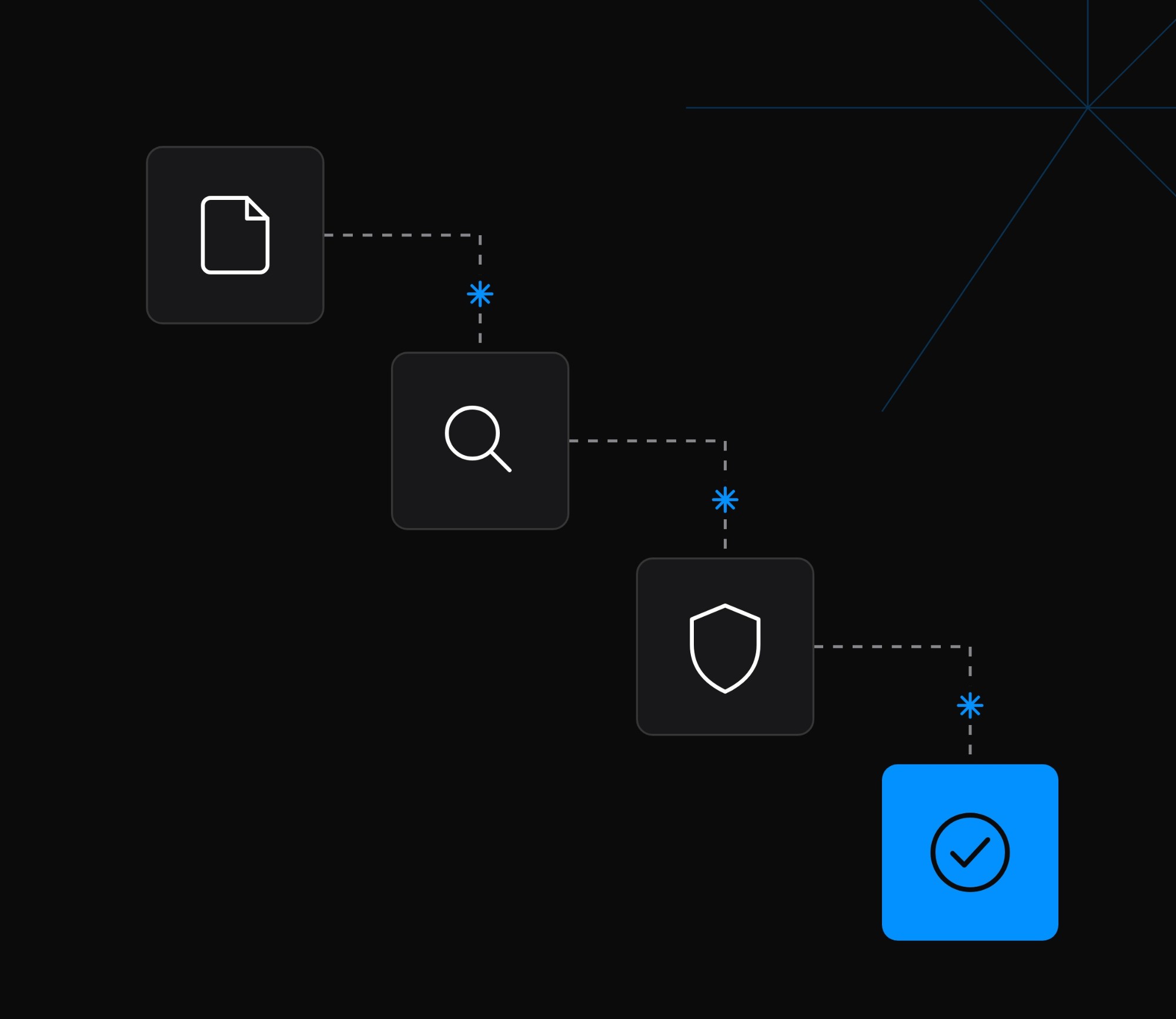
A well-formed request only pays off if it doesn't get re-keyed into another system at the next step. In ICM, intake, eDiscovery, redaction, and release run in one platform, so the request that came in through the portal is the same case all the way through.
- Search starts narrow. A specific request becomes a targeted search, and results hand off straight to review inside the case.
- Review stays in one place. Reviewers work the same document set with attribution and permissions, with no files emailed out for comment.
- Redaction happens inside the case. Documents go to the Irys Redaction Tool (IRT) without being exported, and every decision lands on the case's audit trail.
- Release closes the loop. The response goes back through the portal, and the released records stay searchable for the next similar request.
The request is the first entry in the case record. Get it right, and every step after it starts from solid ground.
Start where the case starts
Backlogs get blamed on review and redaction because that's where the work piles up. But a lot of that pile was created at intake, by requests that were too broad, too vague, or sent to the wrong place.
Intake is one of the few places an office can cut work at every later stage at once. Request-refining assistance, custom intake forms, and the ICM Public Portal turn the front door into the first step of a case, not the first problem in it.
Frequently asked questions
What causes delays in public records requests?
Most delays are set at intake, before anyone opens a file. Requests that arrive incomplete, vague, or at the wrong office lead to clarification emails, overbroad searches, misrouting, and inconsistent records that have to be cleaned up by hand later.
What is request-refining assistance?
Request-refining assistance is a feature in Irys Case Manager (ICM) that guides requesters while they're still writing their request. It helps them land on a clear subject, a reasonable time frame, and the right office, so the request is specific enough to search.
How does a public records portal reduce status calls?
The ICM Public Portal gives requesters self-service tracking and notifications. They can see where their request stands without calling the records office, which gives staff that time back for processing.
See how ICM handles intake for your request types. Book a demo.